Printed from voicescam.com/scams/virtual-kidnapping-scam/ · Updated 23 October 2026
Virtual kidnapping scam: what to do while it is happening
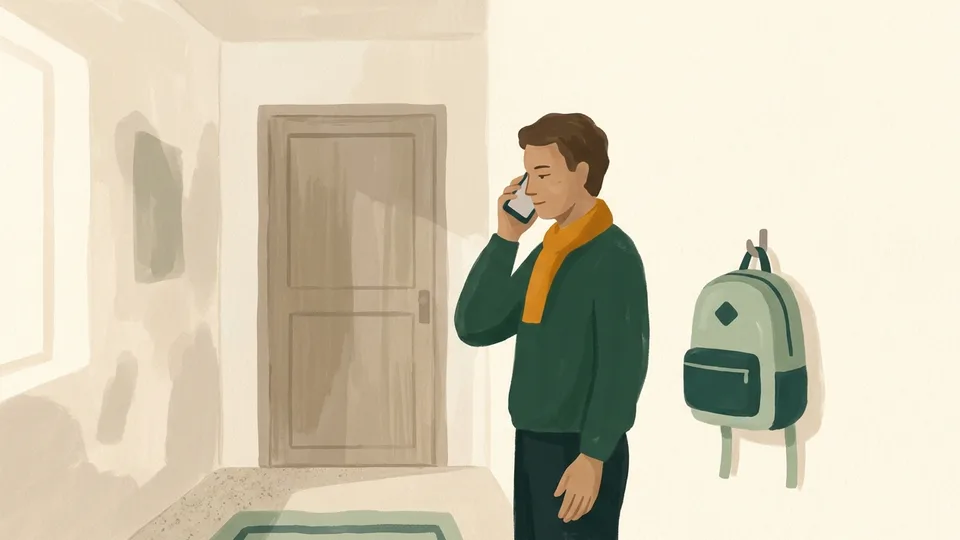
A caller says they are holding a family member and demands a ransom while keeping you on the line. Most of these calls are fake: the FBI says that in most cases the best course of action is to hang up, then try to reach your family member directly and contact the police.
Do this now, while the call is happening
- Hang up. The FBI says that in most cases this is the best course of action.
- Call or text your family member directly, or ask someone near you to.
- If you reach them, ask a question only they would know, or your safe word.
- Call the police on your local emergency number.
- Do not agree to send money. Not by wire, gift card, crypto or cash.
How virtual kidnapping works
Nobody has been taken. The scammer simply needs you to believe it long enough to pay. The FBI describes these as schemes where callers trick victims into paying a ransom for a loved one who is not actually in danger (FBI).
- The call starts with a scream or crying. Sometimes in a voice that sounds like your child.
- A man takes over and makes threats. He says your family member will be hurt if you hang up.
- You are kept on the line. So you cannot call your family member or the police.
- A ransom is demanded quickly. Often an amount you could raise today, sent by wire or cash drop.
Why a cloned voice makes it worse
A few seconds of a familiar voice, copied from a video posted online, can make the threat feel real. The FBI has warned that criminals use generated audio of loved ones in crisis to demand ransom payments (FBI, 2024).
Warning signs
- You are told you must stay on the line. The caller does not want you to talk to anyone.
- The number is unknown or from another area or country.
- The ransom is small and fast. Real kidnappers rarely ask for a gift card or a quick wire.
- They will not let your relative speak for long, or the voice only says a few words.
- Details are vague. They avoid saying where your relative is or describing them.
What to do during the call
- Hang up if you can. The FBI says that in most cases hanging up is the best course of action.
- If you stay on the line for a moment, write down what the caller says and do not share names, addresses or plans.
- Get help from someone nearby. Pass a note: "Call [name]. Call the police."
- Reach your family member another way. Text, call, or message them on social media.
- Do not hand over money or information while you are still checking.
After the call
- Report it to the police even if your family member is safe.
- Tell your family member so they can make their posts and location private.
- Agree a family safe word if you do not already have one.
- Report it to your national fraud service. See how to report a scam call.
How to prepare your family before a call
A few calm decisions made now make a frightening call much easier to handle. Talk them through with everyone who might pick up the phone, including older relatives and teenagers.
- Agree who you will try first to reach each family member, and keep those numbers written down as well as saved.
- Share travel plans and school or work schedules inside the family, not in public posts.
- Agree that anyone who gets a ransom call hangs up, tries to reach the person directly and calls the police.
- Practise asking for your safe word so it feels natural under stress.
The same panic tactics drive the accident and arrest calls covered in our family emergency guide. A voice copied from online videos is explained in how scammers clone a loved one's voice. You can also see the full list of voice scams.
Sources
- FBI, "Virtual Kidnapping: A New Twist on a Frightening Scam". Published 2017. Checked 23 October 2026.
- FBI Internet Crime Complaint Center, public service announcement: "Criminals use generative artificial intelligence to facilitate financial fraud". Published 3 December 2024. Checked 23 October 2026.
- Federal Trade Commission, consumer alert: "Scammers use AI to enhance their family emergency schemes". Published 20 March 2023. Checked 23 October 2026.
Common questions
Should I hang up on a kidnapping call?
In most cases, yes. The FBI says the best course of action is usually to hang up, then try to reach your family member directly and call the police.
How do scammers know where my family member is?
Often from social media posts, holiday photos or check-ins. Sometimes they do not know and are guessing.
Should I call the police even if it turns out to be fake?
Yes. Police want to know about these calls, and your report may help protect others.
What if my relative really cannot be reached?
Hang up and call the police on your local emergency number right away, then keep trying to reach your relative. The FBI says that in most cases hanging up is the best course of action. Let the police guide what happens next.