Printed from voicescam.com/scams/family-emergency-scam/ · Updated 23 October 2026
Family emergency scam: the call about an accident or arrest

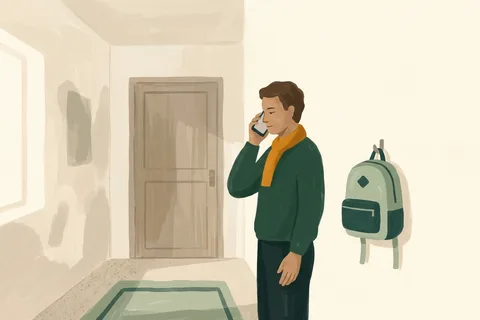
A caller says a relative has had an accident, been arrested or is stranded abroad and needs money today. Hang up and reach the relative, or someone who is with them, on a number you already have before paying anything.
Do this now
- Hang up. Do not stay on the line while you decide.
- Call your relative on their own number. Then try their partner, a friend or a colleague.
- Ask for your family safe word if you get through to someone claiming to be them.
- Do not pay by gift card, wire, crypto or cash. A real emergency can wait ten minutes for you to check.
The stories scammers use
- A car accident, sometimes with someone else injured and "a deal" to avoid charges.
- An arrest at home or abroad, with bail or legal fees to pay.
- A hospital stay that "must be paid for" before treatment.
- A lost passport or wallet while travelling.
- A threat that a relative is being held. See the virtual kidnapping scam.
How the call is built to stop you thinking
Every part of the call is designed to keep you from checking. Knowing the pattern makes it easier to step out of it.
- Shock first. Crying, shouting or a whispered "please help" in a familiar voice.
- A clock is running. "The judge sees him in an hour." "The hospital will not wait."
- You are cut off from help. You are told not to call anyone, sometimes "for legal reasons".
- A method you cannot undo. Gift cards, wire transfers, crypto or cash handed to a stranger.
Warning signs on the call
- Urgency plus secrecy. Real emergencies rarely require both.
- A stranger handles the money. A "lawyer", "officer" or "doctor" takes over.
- They will not let you call back. Or they only give you a number they control.
- The story keeps changing when you ask simple questions.
How to check the story
- Hang up and call your relative directly. Use the number saved in your phone, not one the caller gives you.
- Call someone who would be with them. A partner, housemate, friend or workplace.
- Look up the hospital or police station yourself and call its main number.
- Use your safe word. A caller who cannot give it is not your relative.
If you already paid
Contact the company you paid through straight away and ask them to stop the payment. Then report it. The steps are in what to do if you were scammed.
How to warn the rest of your family
If you got one of these calls, others in your family may get the next one. Scammers often work from the same public posts, so one warning can protect several people.
- Tell the relative who was named. They can make their posts private and warn their friends.
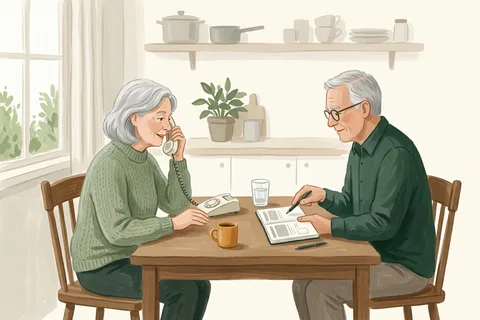
- Call older relatives next. Describe the story the caller used, so they recognise it.
- Agree one rule for everyone. Nobody pays on an unexpected call until they have reached the person on their own number.
- Set up a safe word if your family does not have one yet.
- Keep a note of the call. The time, the number, the names used and what was asked for. It helps when you report it.
A call about a grandchild in jail follows the same script, as our guide to scam calls aimed at grandparents shows. Calls from a "police officer" demanding a fine work the same way: see fake police and tax office calls. For every type in one place, visit our voice scam guides.
Sources
- Federal Trade Commission, consumer alert: "Scammers use AI to enhance their family emergency schemes". Published 20 March 2023. Checked 23 October 2026.
- FBI Internet Crime Complaint Center, public service announcement: "Criminals use generative artificial intelligence to facilitate financial fraud". Published 3 December 2024. Checked 23 October 2026.
Common questions
What if I cannot reach my relative?
Keep trying other people who would know where they are. Call the hospital or police station on a number you look up yourself. Do not pay while you wait.
The caller said they were from an embassy. Could that be real?
Embassies help citizens in trouble abroad, but they do not demand payment by gift card, crypto or wire from relatives by phone. Look up the embassy number yourself and call it.
Can scammers fake the number on my screen?
Yes. Caller ID can be faked, so a familiar number or name is not proof. Hang up and call back on the number you have saved.
Is it ever safe to send money on a call like this?
Only after you have spoken to your relative on their own number, or to someone you trust who is with them. Never while the stranger is still on the line.